



HiFi-Tuning
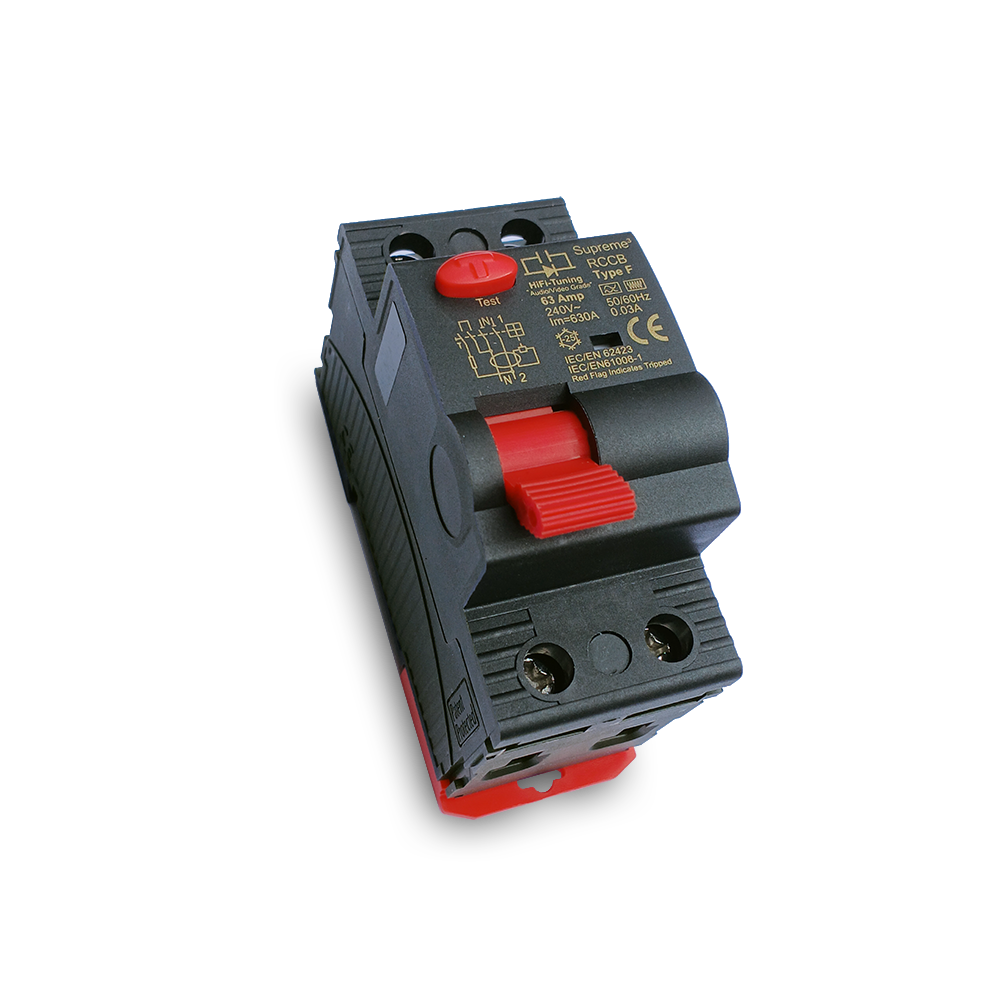
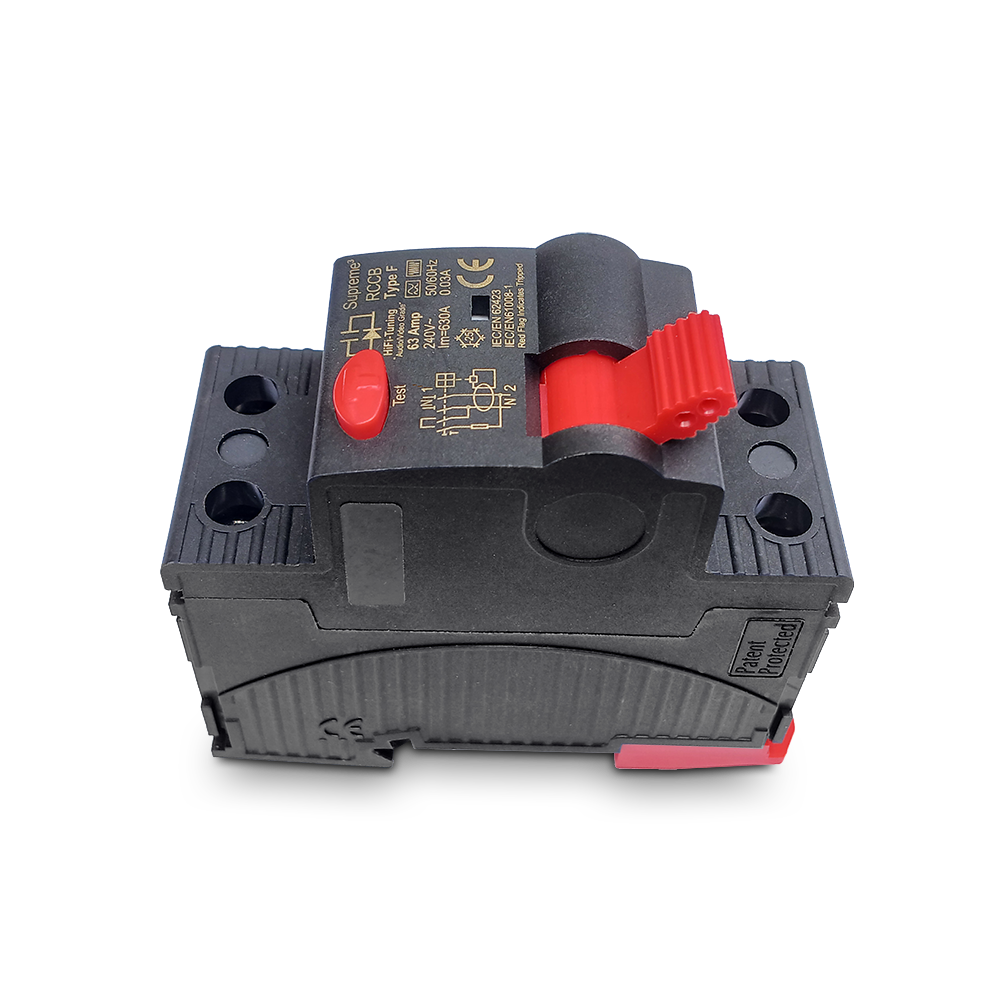
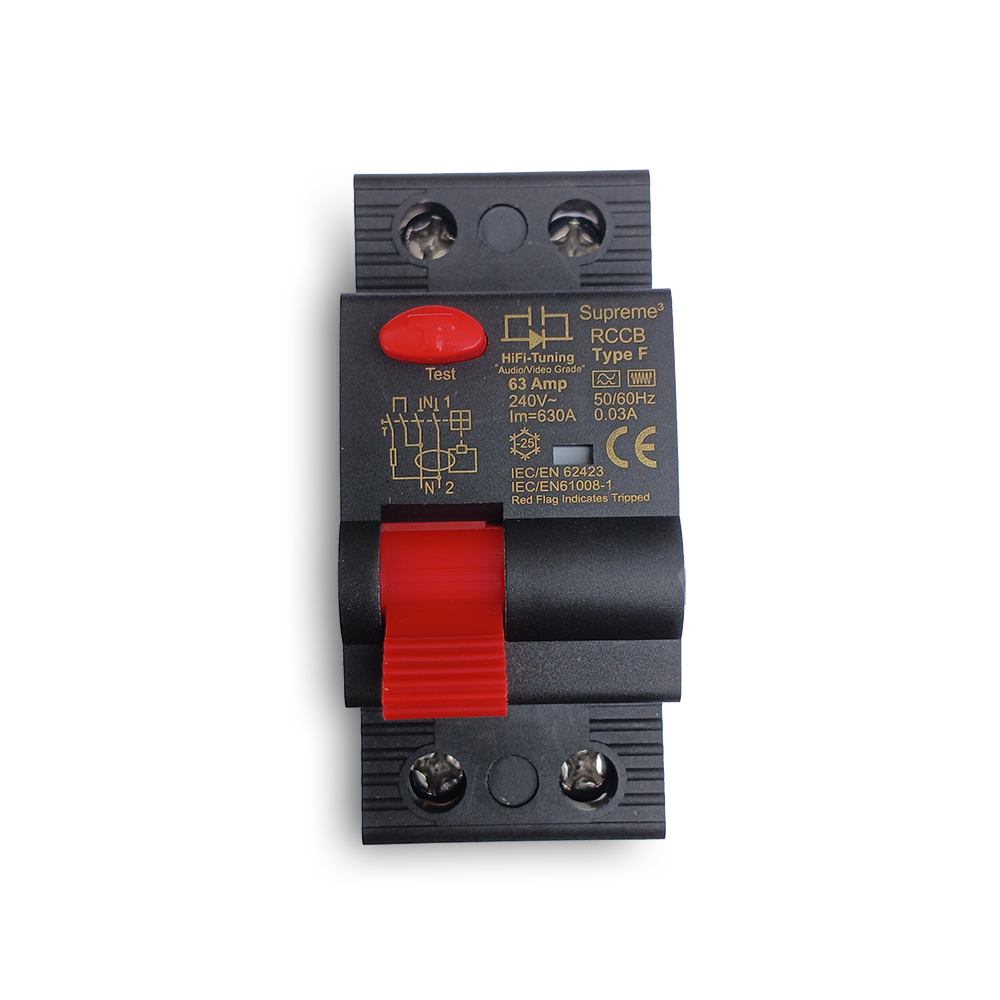
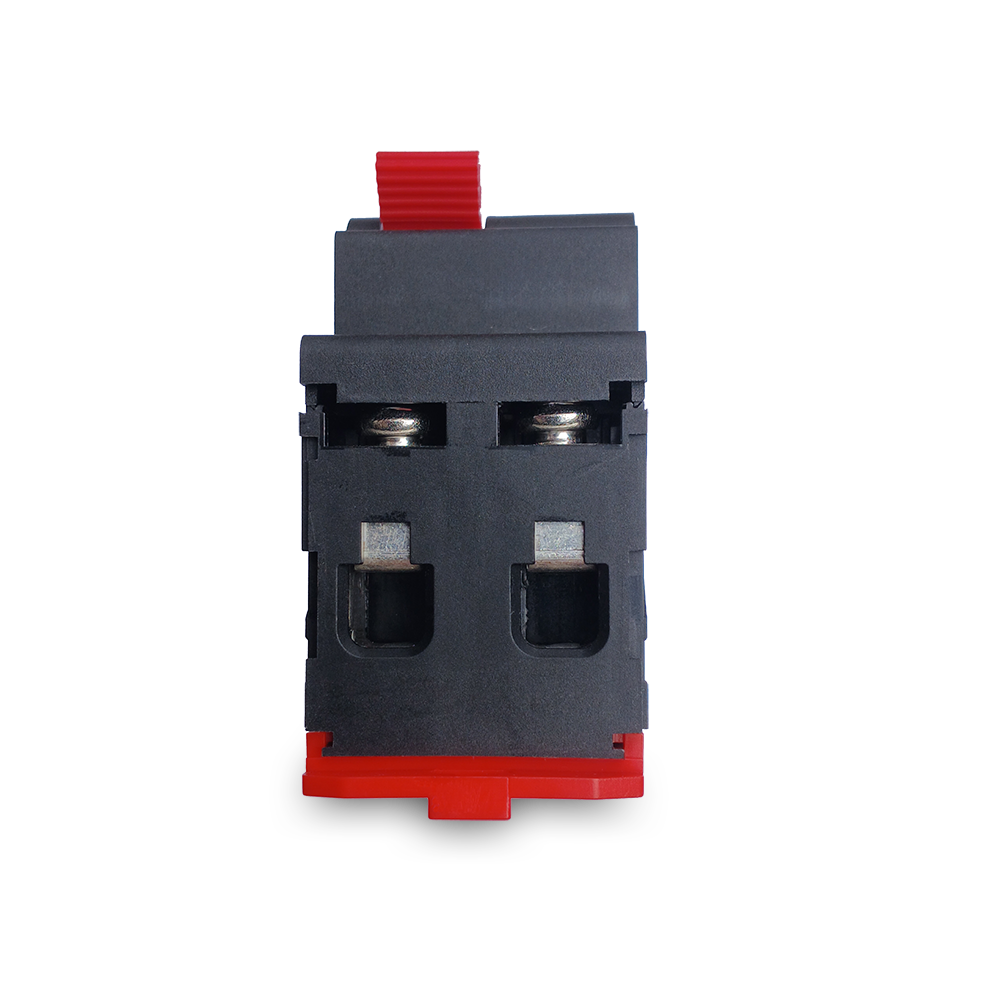
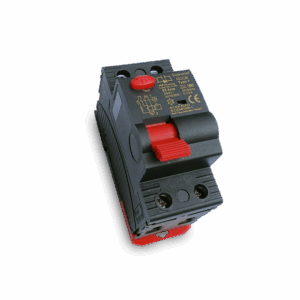
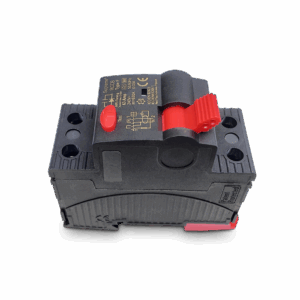
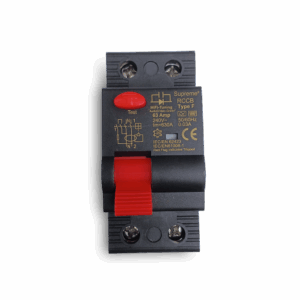
Supreme³ RCCB
Standard & Diamond version
Incl. 21 % TAX € 499.00
- Audio/video grade differential switch (DFS)
- Also available in a Diamond version (€ 1099)
- Combines enhanced safety with sublime audio/video quality
- Only available as a single phase unit (meant for your A/V)
- Poles 1P+N (single pole)
- Type F (wave form of earth leakage current)
- Rated 63 A @ 230/240 V, 50-60 Hz
- Differential current switch-off 30 mA
- No undesired inductive parts incorporated
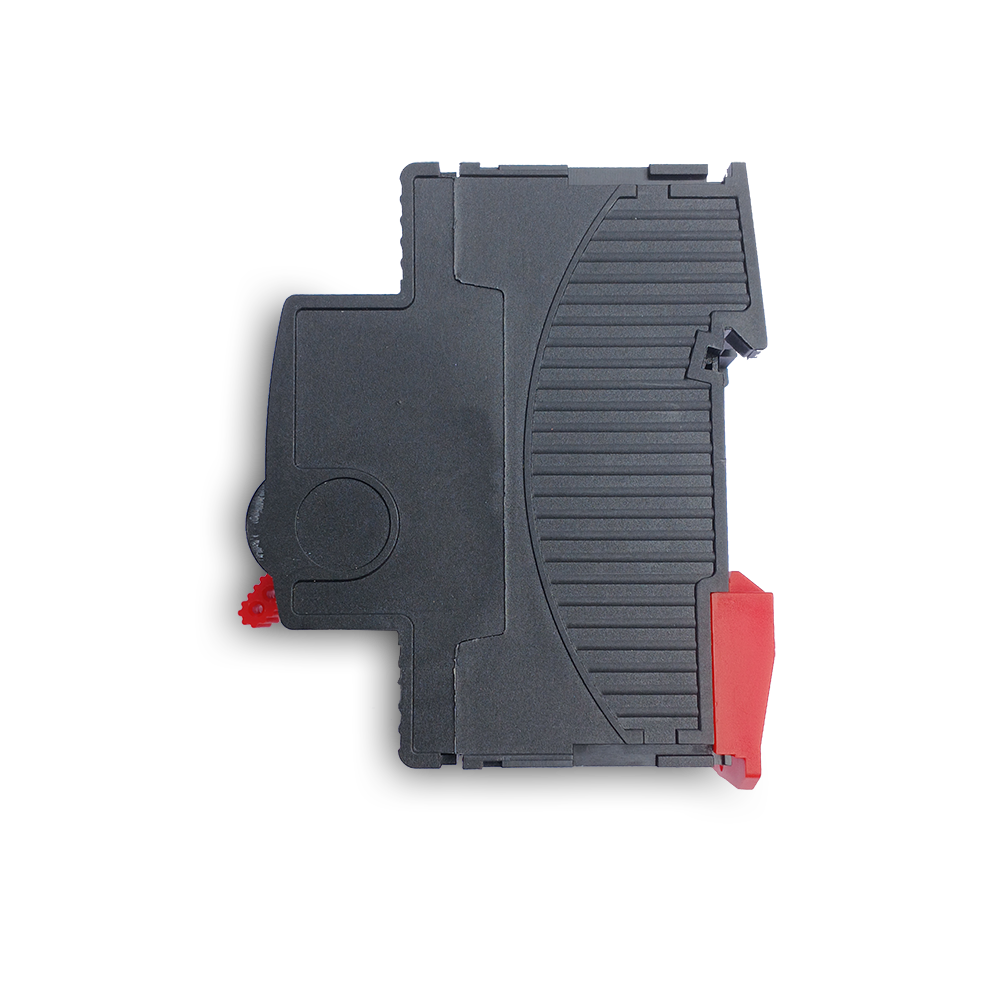
- DIN rail mounting (snap-on)
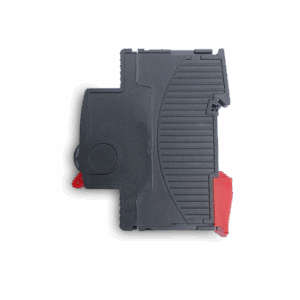
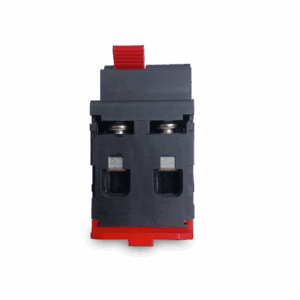
- Dimensions 36x85x76 mm
A Residual-Current Circuit Breaker (RCCB) is not a (automatic) fuse or fuse holder!
Any audio/video set only performs best with the highest mains power quality. After all, this is the supply for your entire audio/video system. Each chain is as strong as its weakest link. Nowadays, audio grade mains spurs and audio grade fuse holders are quite common in the meter cupboard, however, the bottleneck still exists: your „standard“ differential switch.
In your meter cupboard, you will encounter several different devices, each fulfilling a certain task:
– to start, you will find the main fuse, this one is fed from the beefy cable in the street. The outgoing side feeds your entire meter cupboard. This fuse could be a normal fuse or an automatic, resettable fuse (MCB, Miniature Circuit Breaker). It is housed in a sealed enclosure to prevent electricity-theft.
– After this main fuse, you will see one or more residual current circuit breakers, shortly referred to as RCCB’s. Their task is to watch over your safety. As soon as a certain “leak” to ground is detected, the RCCD will switch off all groups behind it very fast. Note that a RCCD is NOT a fuse, it can carry very large currents, that’s why after the RCCD, (group)-fuses are mandatory.
– After each RCCD, you will find quite a number of group fuses, these again can be a melting type of fuse or an automatic, resettable one. Each group consists of a relatively small number of outlets and/or lights, so, in case a fuse trips, just a small part of the home is without electricity and light.
The German based company HiFi-Tuning introduces a RCCD specifically designed for the most demanding audio/video enthusiasts who only settle for the very best. It offers the highest possible audio- and video quality. In addition, this differential switch offers enhanced safety: even with deviating wave forms (as often introduced by switch mode power supplies) it switches off reliably, without affecting audio/video quality in any way. In the past we sold Doepke DFS RCCB but we now have a better and far more affordable alternative from HiFi-Tuning available.
A differential switch, also called Residual Current Device – RCD or Residual Current Circuit Breaker – RCCB or Ground Fault Circuit Interrupter – GFCI, is obligatory in all home electricity systems. As opposed to a fuse (for instance the Cylindric Fuse Cartridge or an MCB), which is meant to prevent a fire in case of an overload or short circuit, the main function of a differential switch is to protect against electrocution. A differential switch compares the in- and outgoing currents through live and neutral, the sum of these has to be zero. The only disturbance possible in this balance is, when a certain current flows to earth. If this current flows through the body of a human being, this can be life threatening. This is where the differential switch kicks in when this current is over 30 mA, and disconnects the circuit from the mains very quickly.
This new HiFi-Tuning Type F RCCB is Supreme³ quality, as a sound upgrade for your entire audio/video system through the use of large area, solid copper/silver contact materials, anti-magnetic stainless steel screws, in a fully cryogenised quality. It features very low impedance with minimal losses. Type F is designed for detection of normal AC, Pulsating DC with DC components and high frequency currents up to 1 kHz.
Audio/video enthusiasts sometimes tend to bypass their differential switch, this is, however, illegal and highly unsafe. Insurance companies will not pay if they notice this has been done. We strongly discourage doing so. The best thing is, you don’t need to anymore with the introduction of the HiFi-Tuning differential switch.
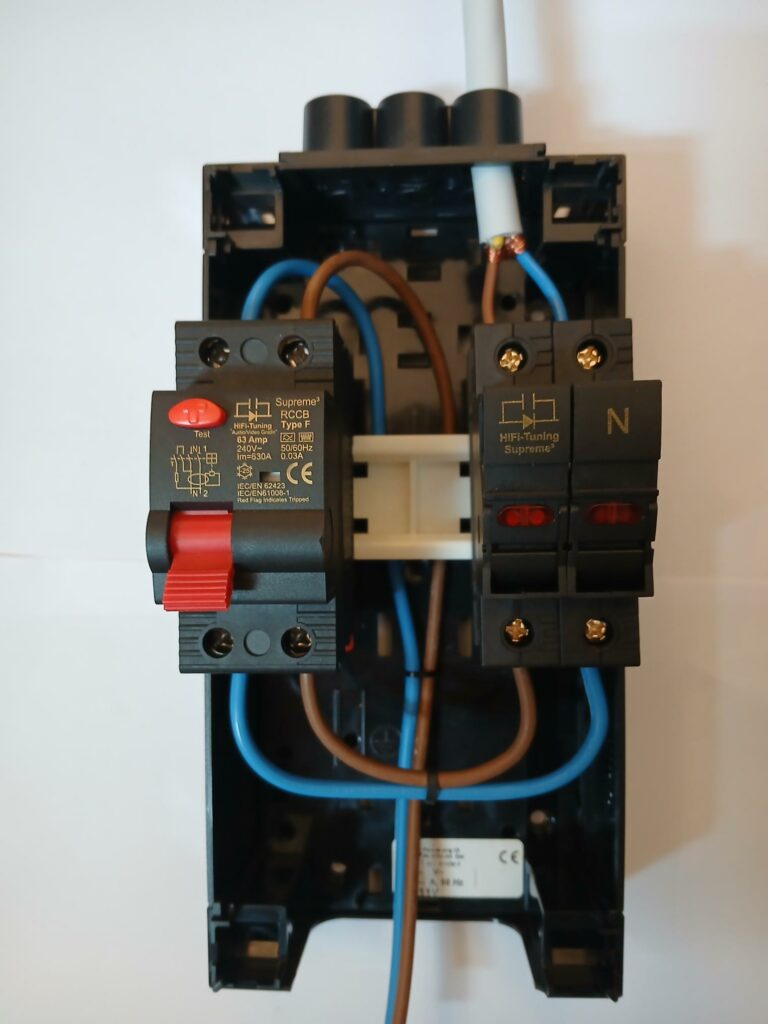
A replacement from your standard RCCB to this audio/grade version can be done in a few minutes by a qualified technician. We recommend that you have the RCCD installed exclusively for your A/V system so that it is more isolated from your home installation. 1+1=3!
Product description/review by Liu Yuhong @ Labkable HongKong
“Most household electrical circuits are equipped with a residual current device (RCD) on the main line and a circuit breaker on the secondary line. The differences between these two types of devices will not be discussed in detail here. Instead of using circuit breakers to protect the circuit, some keen audio-enthusiasts tend to use (one-way) fuses to protect the secondary line, which are used for overload and short-circuit protection of wiring. Automatic, resettable fuses, also called miniature circuit breakers (MCBs), are generally used to protect against short circuits. Both are categorized as proactive components and can interrupt the short-circuit current. The operating principle of a circuit breaker is tripping, including thermal tripping, electromagnetic tripping, and complex tripping. If the circuit is overloaded, the overcurrent may not activate the electromagnetic trip, but it can cause the thermocouple to generate some heat. This heat causes the bimetallic strip to bend upwards, pushing the lever to release the hook from the locking mechanism, thus breaking the main contact to interrupt the current. In comparison, the operating principle of a (single-use) fuse is even simpler. Simply following Ohm’s law, the fuse blows as soon as the current exceeds its rated current. In practical terms, circuit breakers and fuses with the same current rating will not make much of a difference. However, if you conduct a thorough academic study, experimental data and curves show that the circuit breaker reacts faster than a fuse. This slower response may also have its advantages. Apparently, the circuit breaker’s arc-quenching mechanism is designed in such a way that preventing a short circuit when switching off a large load is challenging. In contrast, the fuse’s arc-quenching is so effective that a short circuit is less likely to occur. Meanwhile, the circuit breaker can be reset by simply switching it on again, whereas a fuse, being a one-way protective device, requires replacement to restore the load’s functionality.
Nevertheless, fuses also have their own advantages. For example, in industrial applications, when an independent fuse is used as a safety mechanism for single-current devices, and the load characteristics necessitate the selection of circuit breakers or fuses. Inductive or capacitive devices often draw a very high current at the moment of switch-on. If a circuit breaker is used, this inevitably leads to the breaker tripping immediately. Increasing the capacitance of the circuit breaker compromises safety. Finally, the high current is only present momentarily, especially with the high-power amplifiers commonly used by audio-enthusiasts. This momentary high current must be switched separately, and a high-current fuse is of great benefit in this regard.
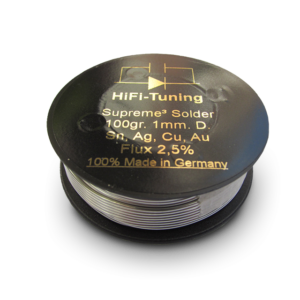
The product presented here is a third-generation German HiFi-Tuning Supreme3 silver-copper fuse with a 16-amp rating. It measures 10.3 x 38 mm. It was specifically designed to replace the traditional MCB circuit breaker and is used with a fuse holder that is similar to the MCB’s sizes and can be conveniently installed by the user in the distribution box. From the first generation of the British Classic 13A pure silver fuse to the newly introduced third generation of silver/copper fuses, HiFi-Tuning’s series products have demonstrated a commitment to excellence and perfection. It can be assumed that the internal fuse wire conductor of the HiFi-Tuning fuse consists of 99% pure silver plus 1% 24K gold; its material is quite similar to that of the top-of-the-line Supreme Silver/Gold capacitor from the renowned German capacitor manufacturer Mundorf. In fact, the silver-gold alloy solder used in the HiFi-Supreme fuse was previously supplied by Mundorf. However, HiFi-Tuning now has its own Supreme³ solder, containing up to 15% silver, manufactured elsewhere in, of course, Germany.
This German-made fuse is renowned for its handcrafted construction. As a third-generation product, it’s a unique fuse built on established technologies, undergoing a cryogenic treatment below -196°C and employing the company’s proprietary gold-silver-copper solder for manual soldering. This alloy is used because cavities inevitably form within the pure silver wire during the crystallization process. Furthermore, the wire’s surface isn’t perfectly smooth due to cooling crystallization. Therefore, 1% of the 24K gold is used to fill these cavities. This approach aligns with the methods employed by Grado and Siltech, the Dutch audio cable manufacturer specializing in similar materials. Combined with demagnetization and WA-Quantum treatment, this contributes to a more solid soundstage, a warmer tone, more natural vocals and timbre, and a more balanced overall frequency range, resulting in an unforgettable listening experience. The demagnetization treatment significantly reduces the negative influence of magnetic fields on sound quality, allowing more detail to be heard. The WA-Quantum treatment smooths the high-frequency response and makes the soundstage more airy. The black ceramic tube makes its body harder and more stable. The use of a special filter screen greatly reduces the influence of current resonance, resulting in clearer imaging. This special fuse must be used with a fuse holder with the same physical sizes as a circuit breaker. Care must be taken to ensure the connected load doesn’t exceed the current to prevent damage to the fuse due to overload during activation.”
Be the first to review “HiFi-Tuning
Supreme³ RCCB
Standard & Diamond version”
Related products
Incl. 21 % TAX € 359.00
Reviews
There are no reviews yet.